Player Branding · 18 min read
The Complete Guide to Building Your Football Brand
How to Create a Professional Online Image That Scouts, Coaches and Clubs Take Seriously
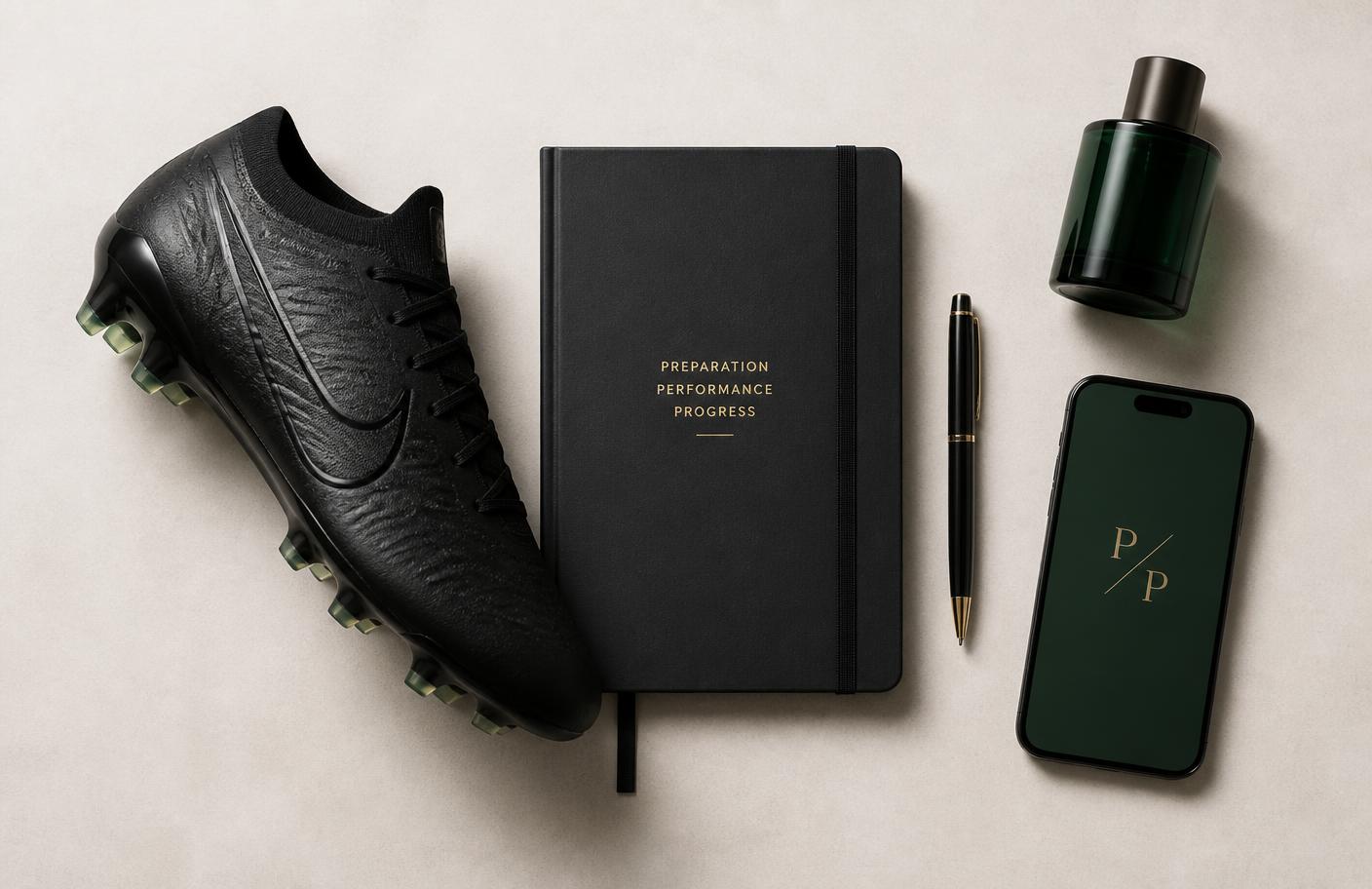
Having talent makes you stand out on the field. However, in today's game, your online persona frequently determines whether your talent is ever seen by the correct people. Players are frequently investigated by scouts, coaches, agents and club recruiters prior to even a single conversation. Your bio, highlight reels and social media posts all create a first impression that has the power to subtly block doors or open them.
This article explains how to create a football brand that accurately represents your identity as a professional and a player, one that can withstand criticism and spark the interest of those who count.
1. Understand Why Your Online Image Matters
A scout has probably already seen your Instagram before they ever see you train. The recruitment process has evolved. Digital scouting is used as a first filter by clubs at all levels, from academies to major professional sides. Even if you play great football, a disorganized, inconsistent, or unprofessional online persona casts doubt on your maturity and discipline.
Your online persona is a component of your resume, not a sign of vanity. Be as serious about it as you would a trial.
2. Define Your Football Identity
Make sure you know who you are as a player before writing anything. This serves as the basis for everything else.
- Playing style and position: What makes you effective? Are you a ball-playing defender, a rushing striker or a box-to-box midfield player?
- Strengths: leadership, tactical discipline, speed, vision and finishing. Choose two or three that best represent who you are.
- Values: resilience, work ethic and coachability. For recruiters, these are just as important as raw skill.
- Long-term objective: In two years, where do you see yourself? This determines the tone of your writing.
3. Choose and Optimize Your Platforms
You don't need to be everywhere. You need to be consistent and professional where it counts.
- Instagram: Your primary visual platform. Match highlights, training clips, professional photos.
- X (Twitter): Useful for engaging with football discourse, sharing results and connecting with scouts and journalists who are active there.
- LinkedIn: Often overlooked by players, but increasingly used by academy directors, agents and club staff. A LinkedIn profile signals professionalism beyond your years.
- YouTube: Best for full match footage and longer highlight reels that give a complete picture of your game.
For every platform you use
- Use the same name, headshot and bio wording across all of them
- Include your position, club/academy, age and one contact method
- Use a clean, current profile photo — ideally in kit, not a casual selfie
- Keep your bio short, factual and free of slang or emoji overload
4. Build a Highlight Reel That Actually Gets Watched
Your highlight reel is often the single most important asset in your brand. Scouts watch hundreds of these, so yours needs to earn attention in the first ten seconds.
What to include
- A clean intro slide: full name, date of birth, position, foot, height, current club
- Your best, most recent actions first — not chronological order
- A mix of skills: not just goals but positioning, tackles, passing range, decision-making
- Full-body shots where possible so scouts can assess movement and physique, not just the ball
What to avoid
- Slow-motion overuse, filters or dramatic music that distracts from the football
- Only showing goals: scouts want to see your all-around game
- Reels longer than 3–4 minutes; keep it tight and impactful
- Outdated footage: refresh it every season
Update your reel regularly and treat it like a living document, not a one-time project.
5. Post With Purpose, Not Just Frequency
Consistency matters more than volume. A steady stream of purposeful content beats sporadic bursts of random posts.
Types of content worth posting
- Match highlights and results
- Training clips that show technical work, not just chaotic drills
- Milestones: debuts, goals, awards, call-ups
- Behind-the-scenes glimpses of discipline: gym sessions, recovery, nutrition
- Thoughtful reflections on games — shows football intelligence
Content to avoid or minimize
- Anything showing poor sportsmanship, arguments, or controversy
- Excessive partying or content unrelated to football that could raise character concerns
- Negative commentary about teammates, coaches or clubs — one of the fastest ways to lose credibility with recruiters
- Overly curated "highlight only" personas with no substance behind them
A good rule: before posting, ask whether a coach who's considering signing you would view this positively. If you hesitate, don't post it.
6. Master Your Bio and About Sections
Recruiters skim. Your bio needs to say who you are in seconds.
A strong bio formula: [Position] | [Age] | [Current Club] | [Nationality] | [Notable achievement or stat]
Example
Central Midfielder | 17 | Riverside FC Academy | England | Captain, U18s
Keep contact information accessible — an email or agent contact — without cluttering the bio itself.
7. Build a Personal Website or Player Profile
A simple personal website adds a level of credibility that social media alone can't provide. It signals seriousness and gives you a controlled space that isn't subject to any platform's algorithm.
What to include
- A short professional bio
- Embedded highlight reel and full match footage
- Key stats: appearances, goals, assists, physical data (height, weight, sprint speed if tested)
- Playing history: clubs, academies, representative honours
- Testimonials or references from coaches, where appropriate
- A clear way to get in touch
This doesn't need to be elaborate. Clean, fast-loading and easy to navigate beats flashy and cluttered every time.
8. Engage Professionally With the Football Community
How you interact online is as telling as what you post.
- Reply to comments and messages professionally, even critical ones
- Follow and engage thoughtfully with clubs, scouts and football media, but avoid appearing desperate for attention
- Never argue publicly with critics, rival fans or fellow players
- If a scout or club reaches out, respond promptly, clearly and courteously
Recruiters notice how players carry themselves in these small interactions. Composure online often reflects composure under pressure on the pitch.
9. Protect Your Brand: Audit and Clean Up
Before you start actively building, audit what already exists.
- Search your own name and see what appears
- Review old posts across every platform for anything unprofessional, outdated, or inconsistent with your current identity
- Delete or archive content that doesn't serve your brand
- Adjust privacy settings so personal, non-football content isn't publicly visible
- Ask a trusted friend, coach, or parent to review your profiles honestly
Do this audit every few months, especially before trials, showcases or transfer windows.
10. Stay Consistent as You Progress
Your brand should evolve as your career does, but the core identity — your values, your work ethic, your professionalism — should remain constant. Update your stats, footage and achievements regularly, but never let quality control slip as your following or opportunities grow.
The players who build lasting reputations are the ones who stay consistent whether they're being watched by ten people or ten thousand.
Final Word
Your football brand is an extension of your football career, not something distinct from it. Every interaction, clip and post serves as a tiny signal to others who are considering investing their time, money and trust in you. Develop that signal carefully, maintain its professionalism and allow it to represent the player and person you're trying to become.